Product Packaging Design Essentials: All You Need to Know
Have you ever picked up a product simply because the packaging caught your attention? Given the plethora of options available, customers often judge a product before they even use it — and that first impression usually comes from the packaging. That’s why product packaging design has become one of the most important elements of branding, marketing, and customer experience. Good packaging does more than protect a product. It communicates brand identity, builds trust, attracts buyers, and influences purchasing decisions.
Whether you are launching a new product or improving existing packaging, understanding the essentials of custom packaging and packaging design can help your brand stand out in crowded retail and ecommerce spaces. In this blog, we’ll explore the key elements, design process, latest trends, and best practices for creating effective product packaging.
Key Takeaways
- Product packaging design plays a major role in branding, marketing, customer experience, and product protection.
- Effective packaging combines functionality, aesthetics, structure, and brand consistency to attract and retain customers.
- Key packaging design elements include packaging materials, color psychology, typography, layout, and visual identity.
- Different packaging styles such as retail packaging, luxury packaging, minimalist packaging, and sustainable packaging serve different business goals and audiences.
- Successful custom packaging should balance creativity with practicality while supporting customer engagement, shelf impact, and long-term brand recognition.
What is Product Packaging Design?
Product packaging design is the process of creating the exterior appearance, structure, functionality, and visual identity of product packaging. It combines branding, design aesthetics, packaging materials, printing techniques, and customer psychology to create packaging that is both attractive and functional.
Packaging design includes:
- Product boxes
- Labels
- Wrappers
- Inserts
- Containers
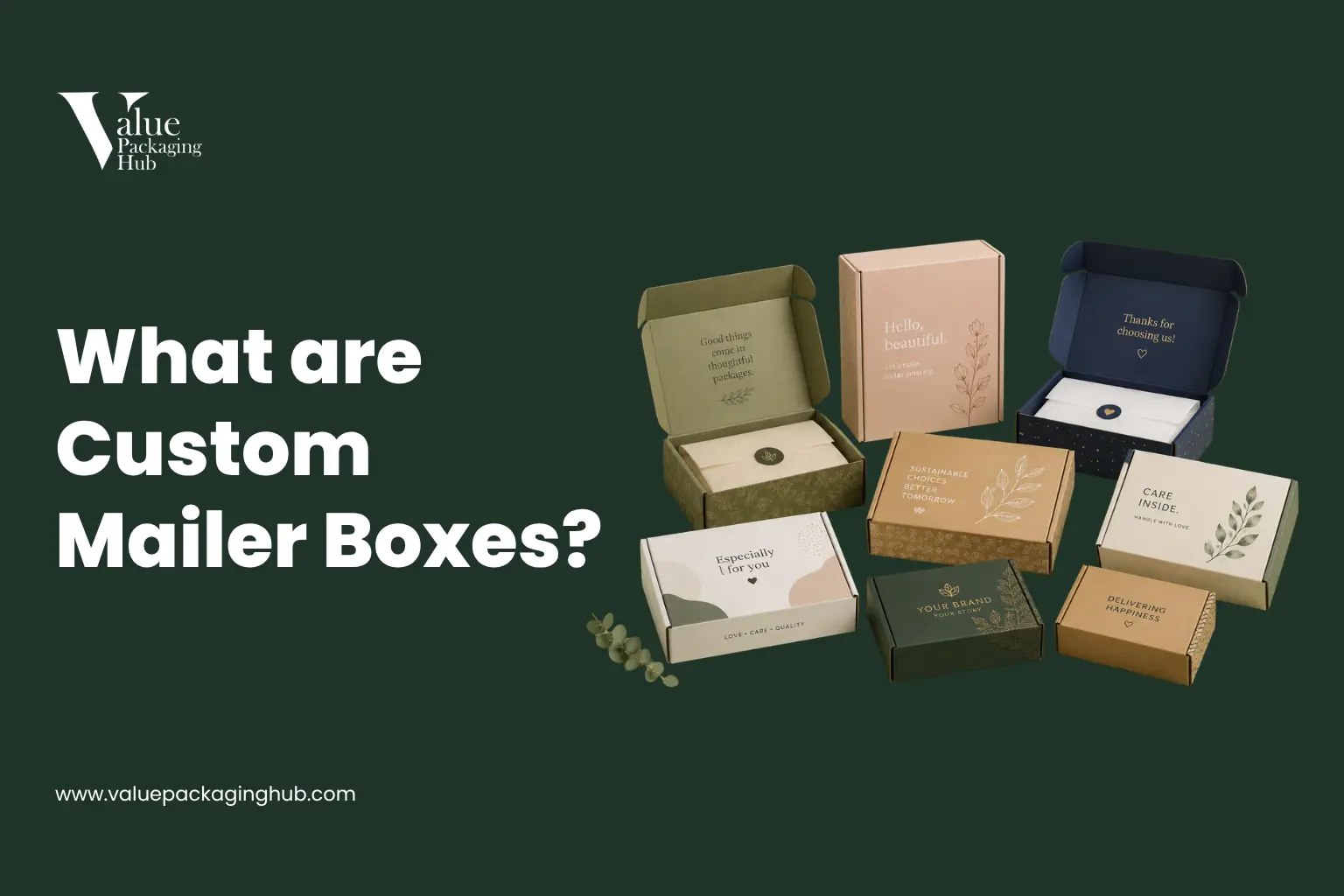
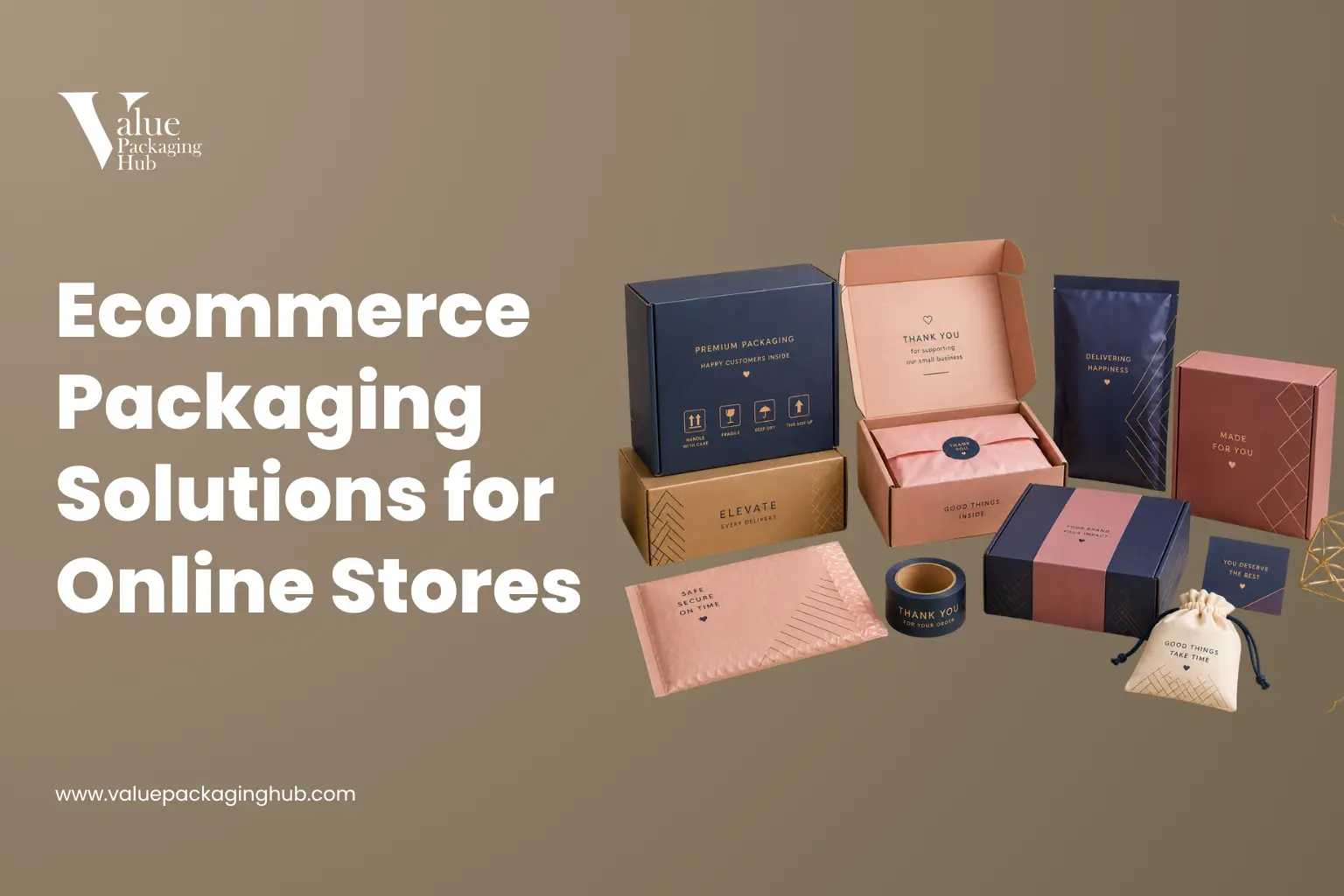
- Shipping packaging
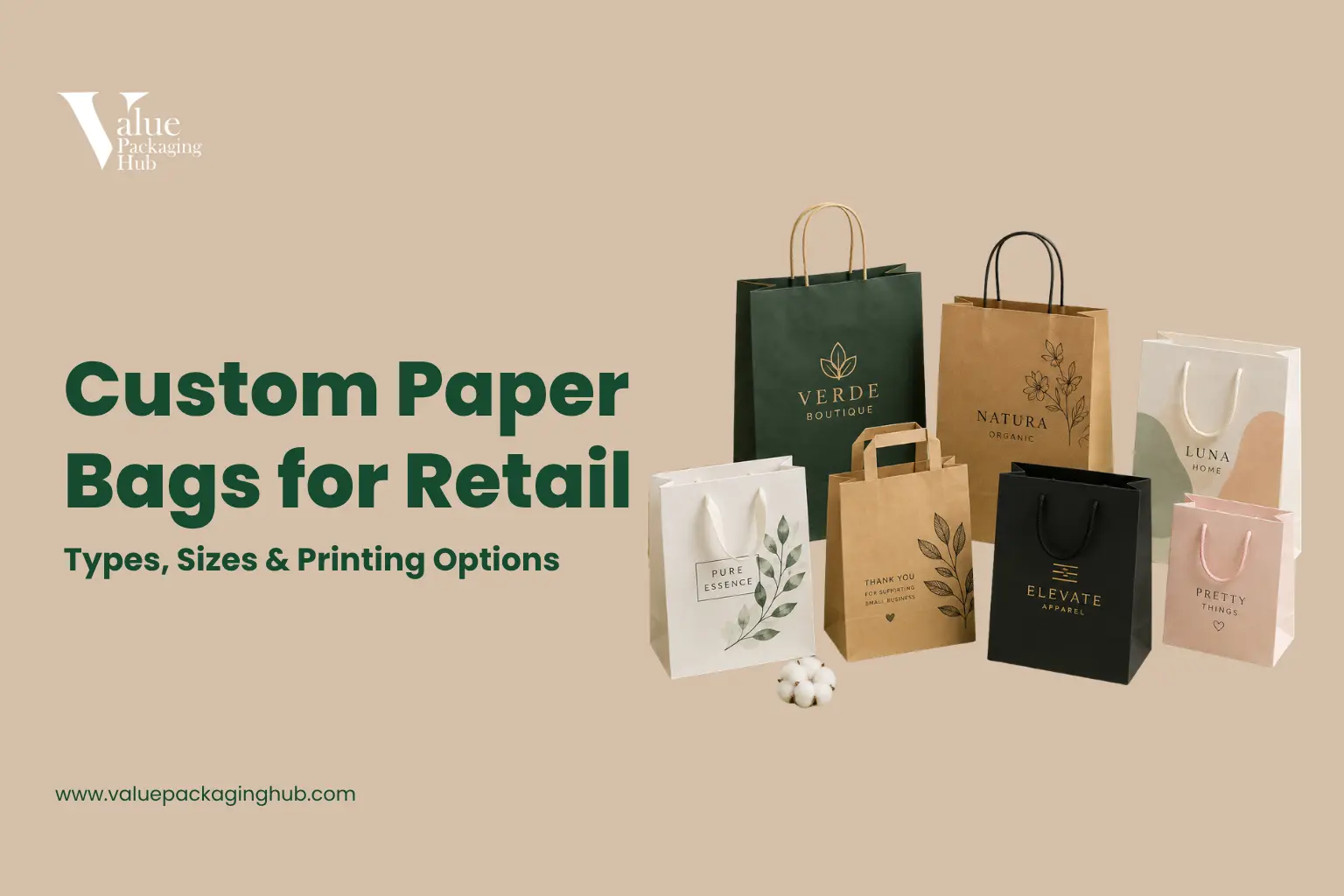
- Retail display packaging
The ultimate goal is to protect the product while creating a memorable customer experience.
Importance of Product Packaging Design in Branding
Packaging is often the first physical interaction customers have with a brand. A well-designed package helps businesses:
- Build brand recognition
- Create a premium perception
- Improve customer trust
- Differentiate products from competitors
- Increase shelf visibility
Strong packaging aesthetics and consistent branding can significantly influence consumer buying behavior.
Role of Packaging in Marketing and Customer Experience
Packaging acts as a silent salesperson. From color selection to typography and structure, every design element contributes to how customers perceive a product.
In ecommerce, packaging also plays a major role in the unboxing experience. Creative custom packaging can encourage social sharing, improve customer satisfaction, and increase repeat purchases.
What Are the Key Elements of Product Packaging Design?
Successful packaging design combines creativity with functionality.
Packaging Materials and Structure
Choosing the right packaging materials is essential for durability, protection, and sustainability.
Common packaging materials include:
- Corrugated cardboard
- Kraft paper
- Rigid boxes
- Plastic containers
- Glass packaging
- Metal packaging
Structural packaging design also ensures products remain safe during storage and shipping.
Color Psychology and Visual Identity
Colors strongly influence customer emotions and purchasing decisions.
For example:
- Green often represents sustainability and eco friendly packaging
- Black conveys luxury packaging design
- Red creates urgency and excitement
- Blue communicates trust and professionalism
A consistent visual identity helps customers instantly recognize your brand.
Typography and Graphics
Typography affects readability and brand personality. Clear fonts, balanced graphics, and strong visual hierarchy improve communication and product appeal.
Graphics should complement the packaging layout without overwhelming the design.
Packaging Layout and Composition
Good packaging layout ensures all information is organized clearly, including:
- Product name
- Branding
- Ingredients or specifications
- Instructions
- Compliance labels
Balanced composition improves aesthetics and customer understanding.
Packaging Aesthetics and Brand Consistency
Every packaging element should align with the overall brand image. Consistency across products helps create a professional and recognizable identity.
What Are the Different Types of Product Packaging Design?
Different industries and products require different packaging approaches.
Retail Packaging Design
Retail packaging is designed to attract customers on store shelves. It focuses heavily on visual appeal, branding, and competitive differentiation.
Retail packaging often includes:
- Hanging boxes
- Display packaging
- Window boxes
- Folding cartons
Luxury Packaging Design
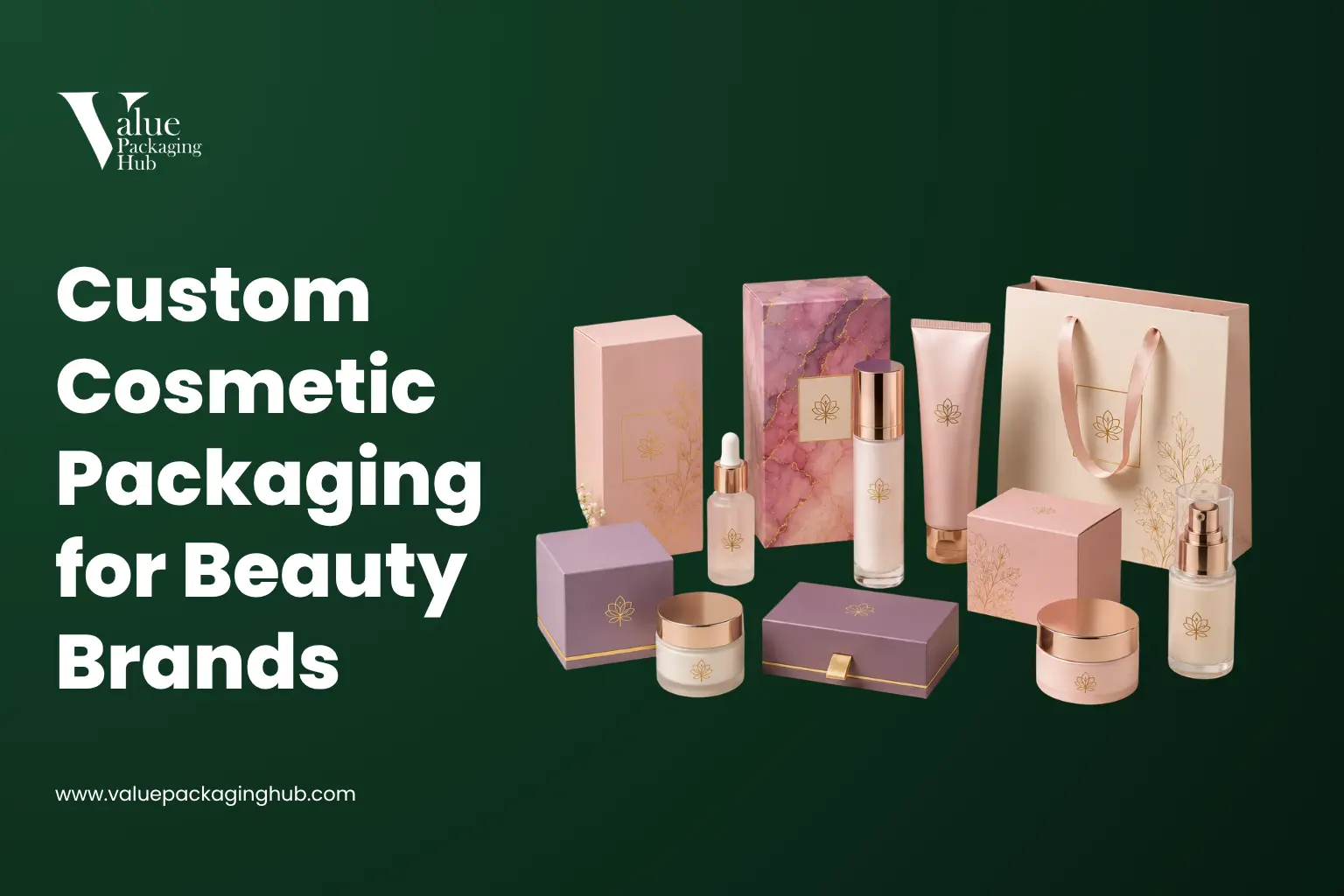
Luxury packaging uses premium materials, elegant finishes, and sophisticated designs to create an upscale customer experience.
Common features include:
- Rigid boxes
- Foil stamping
- Embossing
- Magnetic closures
- Velvet or satin inserts
Luxury packaging or premium packaging enhances perceived product value.
Sustainable and Eco Friendly Packaging
Sustainable packaging design uses recyclable, biodegradable, or reusable materials to reduce environmental impact.
Many businesses are now adopting eco-friendly packaging to support sustainability goals and appeal to environmentally conscious consumers.
Smart and Interactive Packaging
Innovative packaging now includes digital elements such as:
- QR codes
- NFC technology
- Augmented reality experiences
- Personalized messaging
Interactive packaging improves customer engagement and brand storytelling.
What Is the Product Packaging Design Process?
Creating effective packaging requires a structured process.
Research and Market Understanding
The process begins with understanding:
- Target audience
- Competitors
- Industry trends
- Customer preferences
- Packaging regulations
Research helps businesses create packaging that connects with buyers.
Concept Development and Ideation
Designers brainstorm packaging concepts based on brand goals, aesthetics, and functionality.
This stage includes sketches, mood boards, and packaging mockups.
Structural Design and Dielines
Structural packaging design focuses on box dimensions, folds, inserts, and overall usability.
Dielines are technical templates used for printing and production.
Prototype Creation and Testing
Packaging prototypes are tested for:
- Durability
- Product fit
- Print quality
- Customer usability
- Shipping performance
Testing helps avoid production issues later.
Final Design and Production
Once approved, the final design moves into printing and large-scale production.
What are the Popular Printing Methods and Techniques?
Most commonly used packaging printing methods include:
- Offset printing
- Digital printing
- Flexographic printing
- Screen printing
Finishing techniques may include:
- UV coating
- Embossing
- Foil stamping
- Matte or gloss lamination
These finishes improve packaging aesthetics and shelf appeal.
Best Practices for Product Packaging Design
- Keep It Simple and Clear: Avoid overcrowded packaging with excessive text or graphics. Simplicity improves readability and visual appeal.
- Focus on Target Audience: Packaging should reflect the preferences, lifestyle, and expectations of the intended customer base.
- Maintain Brand Consistency: Consistent colors, fonts, and visual identity strengthen brand recognition.
- Balance Creativity and Functionality: Creative packaging should still protect the product and remain practical for shipping, storage, and retail display.
Common Mistakes in Product Packaging Design
- Overcomplicated Design: Too many visual elements can confuse customers and reduce shelf impact.
- Poor Material Selection: Using low-quality or unsuitable packaging materials can damage products and hurt brand perception.
- Ignoring Printing and Production Limits: Designs that ignore technical production limitations can lead to costly errors and inconsistent packaging quality.
Conclusion
Product packaging design is much more than decoration — it is a powerful business tool that influences branding, marketing, customer experience, and purchasing decisions.
From sustainable packaging and luxury packaging design to minimalist aesthetics and smart packaging innovations, businesses today have endless opportunities to create packaging that connects with customers and strengthens brand identity.
By focusing on functionality, creativity, consistency, and customer expectations, businesses can create packaging that not only protects products but also drives long-term brand growth.
Frequently Asked Questions
What are the key elements of packaging design?
The key elements of packaging design include packaging materials, structure, typography, color psychology, branding, graphics, and overall functionality.
Which tools are used for packaging design?
Popular packaging design tools include Adobe Illustrator, Adobe Photoshop, CorelDRAW, ArtiosCAD, and 3D packaging mockup software
What makes a good packaging design?
A good packaging design is visually appealing, functional, easy to understand, brand-consistent, and aligned with customer expectations.
What is sustainable packaging design?
Sustainable packaging design focuses on reducing environmental impact by using recyclable, biodegradable, reusable, or eco friendly packaging materials.
How does packaging affect customer perception?
Customers often associate packaging quality with product quality. Premium and well-designed packaging can increase trust and perceived value.